Introduction
When it pertains to developing a safe, elegant boundary for your home, the option in between Colorbond fencing and conventional fencing techniques can be daunting. Both options include their special advantages and difficulties, leaving numerous house owners scratching their heads. In this extensive guide, we'll dive deep into the world of fences-- comparing Colorbond and traditional options, talking about setup processes, expenses, resilience, looks, and far more. By the end of this short article, you'll have a clearer image of which choice is best for you.
Colorbond Fence: An Overview
What is Colorbond Fencing?
Colorbond fencing is a contemporary fencing option made from high-quality steel and covered with a layer of color that not just improves its attractiveness however likewise protects it from rust and corrosion. With a variety of colors available, homeowners often discover it simple to match their Colorbond fence with their total residential or commercial property aesthetic.
Key Features of Colorbond Fences
- Durability: Made from steel, these fences are built to stand up to severe weather condition conditions. Low Maintenance: Unlike lumber or other standard materials, Colorbond fences require minimal upkeep. Versatility: Available in numerous styles and colors to suit various property types. Eco-Friendly Options: Many Colorbond items are designed with sustainability in mind.
Installation Process of Colorbond Fencing
Installing a Colorbond fence includes several key steps:
Planning: Measure your area properly and plan where your posts will go. Setting Up Posts: Install metal posts firmly into the ground utilizing concrete. Attaching Panels: As soon as posts are set, attach the panels starting from one end and working your way across. Finishing Touches: Set up caps on top of posts for added security versus weather condition elements.Traditional Fencing: A Classic Option
Defining Traditional Fencing
Traditional fencing normally describes wooden or picket fences that have actually been popular for generations. They stimulate a sense of nostalgia and charm however featured their own set of upkeep challenges.
Advantages of Standard Fences
- Aesthetic Appeal: Wood fences provide a classic appearance that lots of homeowners love. Customizability: Easily painted or stained to fit any design style. Environmental Impact: Frequently made from renewable resources like timber.
Installation Process for Traditional Fencing
The procedure might differ slightly depending upon whether you're selecting wooden panels or pickets:
Laying Out the Area: Mark where each post will go based on your measurements. Post Installation: Dig holes for wooden posts and secure them with concrete. Attaching Slabs or Pickets: Begin nailing planks or connecting pickets horizontally or vertically. Sealing/ Finishing: Make sure that wood is treated or painted to protect against moisture damage.
Cost Contrast Between Colorbond and Standard Fencing
Understanding Cost Factors
When thinking about fencing choices, cost is typically at the forefront of decision-making. Here's how both choices stack up against each other:

1. Material Costs
|Type|Typical Cost per Meter|| ------------------|-----------------------|| Colorbond Fence|$75 - $120|| Traditional Fence|$50 - $90|
2. Setup Costs
Installation costs can differ commonly based upon place but typically follow this pattern:
- Colorbond installation ranges from $30 to $60 per meter due to its specialized installation requirements. Traditional fencing typically costs in between $20 to $50 per meter depending upon labor rates.
3. Long-term Costs
While standard fences may appear less expensive initially, they typically sustain ongoing maintenance costs (painting/staining) that can build up over time.
Conclusion on Cost Considerations
When weighing "Colorbond vs Standard Fencing," if budget plan constraints are substantial, you might lean towards conventional methods initially; however, consider long-lasting cost savings connected with lower upkeep requires when investing in a Colorbond fence.
Durability Comparison In between Colorbond and Conventional Fencing
How Durable is a Colorbond Fence?
The durability aspect plays an essential function in deciding which kind of fence is worth your financial investment:
- Colorbond fences resist warping, decaying, and rusting due to their steel construction. They have been tested thoroughly versus extreme weather conditions including hailstorms and high winds.
Understanding the Resilience of Conventional Fences
While wood uses significant beauty, it has its disadvantages:
- Wooden fences can catch rot if not effectively maintained. Pests such as termites can trigger substantial damage gradually if preventative procedures aren't taken regularly.
Aesthetic Value in "Colorbond vs Standard Fencing"
The Visual Appeal of Colorbond Fences
One can not neglect how impactful visual looks are when selecting fencing services:
- The streamlined lines and modern-day finish provide an appealing contemporary appearance that can raise any residential or commercial property's appearance. Available in multiple color choices enables property owners versatility in matching with outside themes.
Charming Aspects of Traditional Wood Fences
If you're leaning towards warmth and character:
- Wooden fences provide a welcoming look that blends well with gardens and natural landscapes. They can be easily customized through painting or staining strategies giving them special personality traits.
Maintenance Requirements for Each Kind Of Fence
Maintaining Your Colorbond Fence Effectively
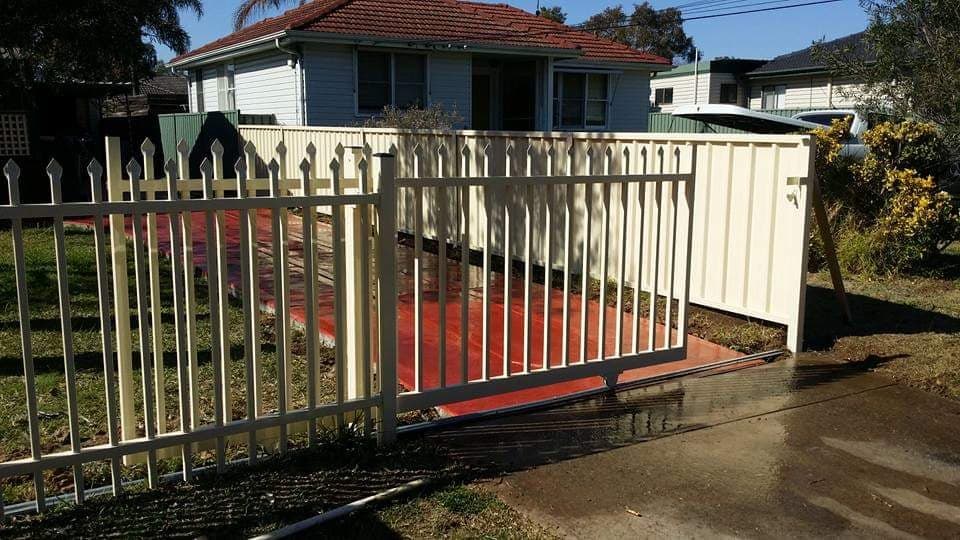
As mentioned previously, one major advantage is low upkeep:
Keeping Your Standard Fence Beautiful
Maintaining wood requires more effort:
Inspect frequently for signs of wear & & tear; change harmed slabs instantly to prevent additional issues! Apply sealants every few years depending on environment conditions; this assists prevent wetness damage significantly!Environmental Factors to consider for Both Fence Types
Is Colorbond Eco-Friendly?
Several brand names focus heavily upon sustainable practices:
Most steel utilized in production comes from recycled materials; making it an eco-conscious choice! Additionally long life expectancy suggests fewer resources taken in than replacing standard types frequently!Sustainability Consider Wood Usage
Wooden materials need to be sourced properly:
Look out particularly for FSC-certified suppliers who maintain responsible forestry practices; guaranteeing future generations enjoy our forests too! Consider local types whenever possible rather than importing exotic woods-- this lowers carbon footprints greatly!Security Aspects In between Colors vs Traditionals
Does A Colour Bond Deal Better Security?
With strong building:
1. Deterrent against possible burglars due significant weight combined strength intrinsic within steel framework 2. Harder surface makes climbing up tough compared softer textures found frequently amongst timber structures
Evaluating Security Levels Provided by Wood
Although wood has its benefits:
1. Can easily be climbed upon specifically shorter heights 2. If not strengthened appropriately-- spaces might permit undesirable access
"Colorbond vs Traditional Fencing": Sound Reduction Capabilities
Can A Colour Bond Quiet Down Noises More Effectively?
Indeed:
1. Steel panels develop very little gaps allowing https://mariofoup288.tearosediner.net/checking-out-the-different-designs-and-colors-of-colorbond-fences sound decrease qualities remarkable among standard methods
How Do Wood Barriers Compare In Sound Absorption?
While they take in some sounds:
1. Gaps in between boards enable sound penetration leading lesser efficiency overall
"ColorBond vs Traditionals" Throughout Natural Disasters
Which Holds Up Better Versus Extreme Weather Conditions?
In terms of extreme strength:
1. Steel structures hold up against storms much better without giving in easily unlike weaker timbers
Assessing Wooden Strength During Natural Calamities
Generally poorer performance observed given aspects such as rot & & bugs damaging stability over time
Frequently asked questions About "ColorBond vs Traditionals"
Q1: How long does each type last?
Generally speaking,
• A well-kept wooden fence lasts around 15-- 20 years while
• A color bond can endure upwards beyond even surpassing three decades!
Q2: Are there color options available?
Absolutely,
• Hundreds exist within color bond varying lively colors easy customization
• Timber presents limited natural shades requiring treatments changing visual appeals
Q3: What about installation do it yourself possibilities?
Both approaches require specific abilities yet
• Usually color bonds require professional assistance due unique fittings
• Whereas non-skilled property owners deal with basic wood setups without problems!
Q4: Does insurance cover damages incurred through either material?
Yes! Most house owner policies encompass protection provided installations fulfill regional codes
Q5: Can they stand up to heavy impacts like hailstorms?
More favorable results seen within colour bonds resistant layers protecting structural aspects
Q6: Is cost negotiable when employing contractors?
Often yes! Don't be reluctant negotiating final expenses ensuring project stays budget-friendly
Conclusion
Ultimately selecting in between "ColorBond vs Conventional Fencing" boils down personal preferences paired performance requirements vital way of lives!
Both alternatives boast special characteristics deserving factor to consider before diving into choices ultimately affecting properties' look security alike!
Remember weigh preliminary expenditures versus long-lasting worths keeping eye future-proofing investments guaranteeing peace mind knowing invested wisely!